What Is Onsite Calibration?
Imagine you're running an essential production line, and you find a drift in your pressure readings. Stopping the line to ship instruments out for solution can imply hours-- or even days-- of lost efficiency. That's where onsite calibration can be found in. Instead of removing gauges, transmitters, or flow meter devices and sending them off to a lab, a calibration professional takes a trip to your facility, brings specialized devices, and performs instrument calibration right beside your procedure. The advantage? Minimal disruption and self-confidence that measurements continue to be within resistance.
Why Onsite Calibration Matters
Calibrating tools isn't just a checkbox in an upkeep routine. It's the backbone of quality control and safety. When your sensing units, gauges, and testers unclothe spec, you risk product issues, compliance offenses, and also safety incidents. Onsite calibration straight deals mechanical calibration with these risks.
Lowering Downtime with Onsite Services
Downtime can be crippling. Every minute a line sits idle is lost income and an impact to customer dedications. Onsite onsite calibration calibration allows your team routine service throughout intended upkeep windows or even throughout time-outs in between changes. The professional sets up a short-term calibration bench in your plant, adjusts tools-- like a hardness tester or a torque wrench-- and moves on without calling for a return trip.
Ensuring Accuracy Under Real Conditions
Back in the laboratory, problems are regulated: temperature level, humidity, and moisture are kept continuous. Yet your plant floor might be hotter, dustier, or loaded with particle impurities. Onsite calibration takes place right where the equipment lives, revealing how environmental elements truly affect performance. You obtain a calibration that reflects genuine operating conditions, not simply an idyllic atmosphere.
Common Instruments Calibrated Onsite
An experienced specialist can manage a vast array of devices without ever leaving your website. Right here are a few typical examples:
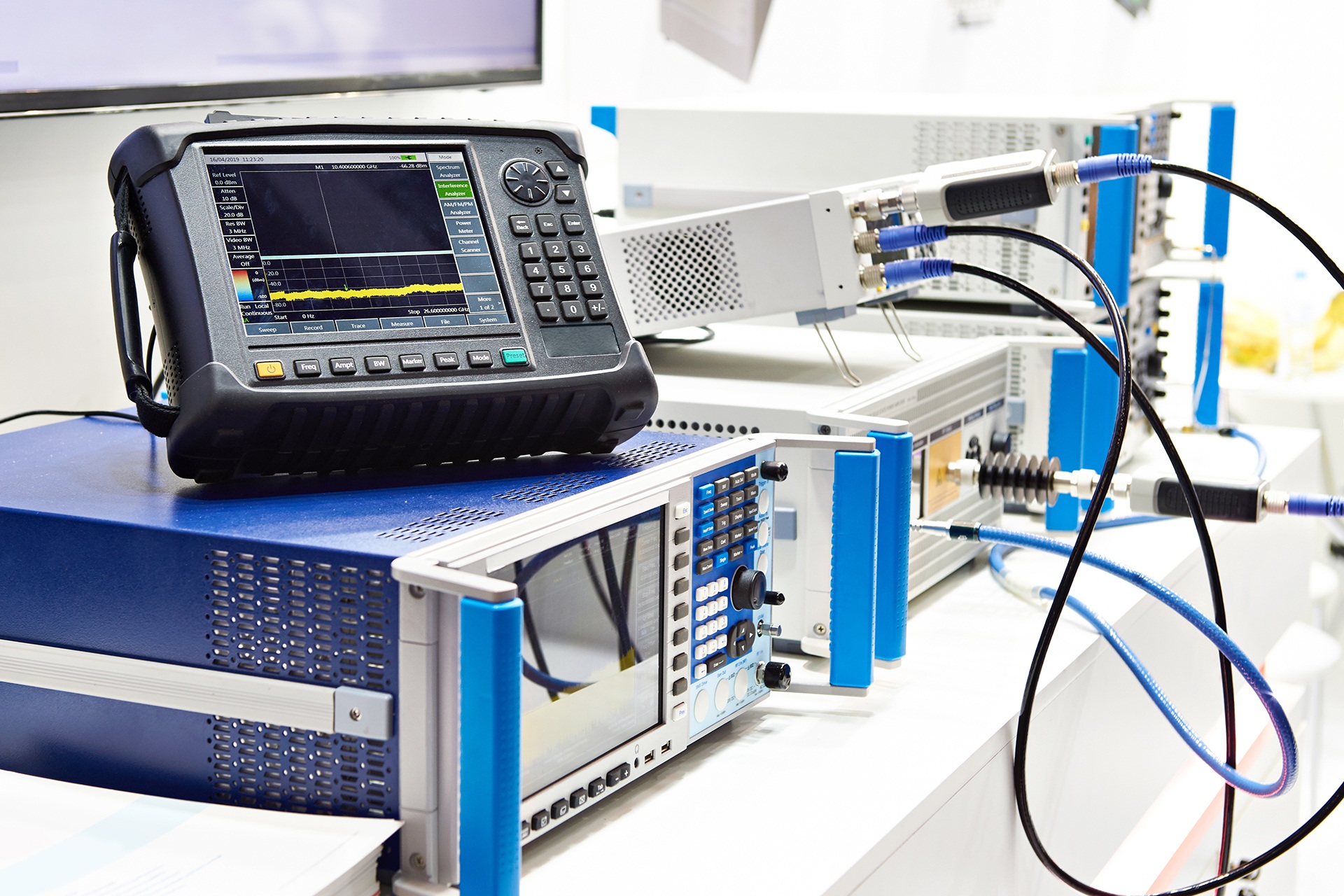
- Pressure transmitters and gauges Circulation meters (ultrasonic, turbine, magnetic) Thermometers and temperature probes Dampness analyzers and meters Torque wrenches and torque wrenches with digital readouts Firmness testers
Whether it's a simple zero modification or a complete ISO-compliant recalibration, the technician brings referral standards and performs checks right at the device's mounting location.
The Process of Onsite Calibration
Despite the fact that it appears quickly, onsite calibration follows an organized strategy to make certain every action meets strenuous requirements.
1. Preliminary Assessment
The service technician evaluates your calibration background, gadget requirements, and efficiency logs. They'll inquire about any kind of current issues-- such as unanticipated temperature level spikes or unpredictable sensor behavior-- and plan the series of checks as necessary.
2. Calibration Procedure
Next comes the heart of the solution. For a circulation meter, this might involve contrasting volumetric or mass flow to a qualified referral. For a pressure sensing unit, an adjusted stress resource and an electronic reference scale are used to apply recognized stress throughout the tool's array. The specialist documents variances, changes the tool preferably, or flags it for repair service.
3. Verification and Documentation
After adjustments, each instrument is retested to verify it meets tolerances. The service technician produces a certification that includes before-and-after information, unpredictability estimations, and traceability to nationwide criteria. You leave with documents that satisfies internal audits and regulatory inspections.
Tips for Smooth Onsite Calibration
Planning for a calibration see can make the distinction between a fast, efficient task and a day of unexpected hold-ups. Below are some finest methods:
- Label your tools plainly with property tags and previous calibration dates. Supply secure, clear access to calibration points and remove any kind of protective covers. Make certain environmental protections-- like temperature level and moisture-- are secure. Have a call individual prepared to answer concerns concerning current upkeep or process changes. Strategy calibration during nonpeak hours or arranged upkeep windows to reduce manufacturing impact.
Real-World Example: Keeping a Brewery Flowing
At a midsize brewery, unexpected drift in their co2 stress regulatory authorities began causing lathering issues on the bottling line. Sending regulatory authorities out would certainly have called for batch hold times and extra cleansing cycles-- costing thousands in thrown away beer and labor. Instead, they scheduled onsite calibration with a mobile laboratory device. The specialist diagnosed a subtle leakage, recalibrated the regulatory authorities under actual operating pressures, and reduced downtime. The brewery conserved both product and time, and they reserved quarterly onsite brows through moving forward.
Non-Destructive Calibration: A Smart Choice
Some tools-- like critical safety and security sensors-- should remain installed to maintain system integrity. A nondestructive technique implies there's no requirement to separate or disassemble piping, electronics, or interfaces. Technicians make use of adapters and clamps to apply examination signals or pressures, calibrate the gadget, and leave the system undamaged. It's quicker, much safer, and prevents the danger of introducing brand-new leakages or placement mistakes.
Choosing the Right Calibration Partner
Not all calibration service providers provide the exact same level of solution. Seek a group that brings:
- Accreditation to acknowledged requirements (ISO/IEC 17025) Experienced service technicians trained in calibrating varied instrument kinds Deducible referral requirements for temperature level, stress, torque, and flow Quick turn-around and adaptable organizing Clear, detailed documentation
Final Thoughts
Buying onsite calibration pays off with decreased downtime, increased dimension self-confidence, and streamlined compliance. Whether you're maximizing a chemical reactor's moisture analyzers or adjust torque wrenches on a production line, having a calibration laboratory come to you makes life less complicated and operations smoother. For a dependable companion that brings the lab to your door, look into EML Calibration as a resource for specialist onsite services.
Name: EML Calibration
Address: 998 Elm Hill Pike, Nashville, TN 37210, United States
Phone: (888) 846-4614
Website: https://www.emlcalibration.com/