Why Onsite Calibration Matters
Have you ever before had a tool begin acting up in the middle of an essential production run? Possibly a circulation meter begins offering odd readings, or a firmness tester drifts out of spec. That's where onsite calibration can be found in-- conserving you from unforeseen downtime and ensuring your dimensions remain exact.
Onsite calibration suggests bringing the calibration lab to your center. Rather than product packaging up sensitive instruments and shipping them off-- dangerous and taxing-- you get a competent specialist that takes a trip to your site, equipped with reference requirements and all the gear needed to calibrate your instruments.
Common Instruments for Onsite Calibration
Flow Meters
Flow meters play an important duty in markets from water treatment to chemical handling. If a meter begins under-reading, you may overdose additives; if it over-reads, you waste valuable item. During onsite calibration, a specialist attaches a main standard, contrasts outcomes at numerous flow factors, and changes the meter's electronics. This hands-on approach promptly recovers precision without sending your process offline for days.
Hardness Testers
On the shop floor, solidity testers guarantee steel components fulfill toughness requirements. Visualize finding a poor batch of shafts only after assembly-- a pricey mistake. When a specialist shows up, they bring licensed test obstructs standing for different Rockwell or Brinell scales. By verifying analyses versus these blocks, they can adjust the tester's indenter pressure and dial settings. The result? Trustworthy readings that shield your components from failure.
Various Other Vital Instruments
While circulation meters and firmness testers often grab the limelight, onsite calibration can cover a broad range of equipment:
- Pressure determines and transducers-- crucial for risk-free procedure in chemical and oil-and-gas plants Temperature probes and sensing units-- making sure stoves, activators, and fridges freezer perform at the appropriate collection factors Wetness analyzers-- keeping hygroscopic products like powders and granules within spec Torque wrenches and torque wrenches-- protecting against under- or over-tightening in vehicle and aerospace settings up Nondestructive screening devices-- validating weld honesty with ultrasonic or magnetic particle approaches
Benefits of Calibrating Onsite
When you bring a calibration service to your front door, numerous benefits spring up:
1. Decreased Downtime: Sending an instrument out for solution can suggest days or weeks without it. Onsite calibration normally wraps up in hours, not weeks.
2. Real-World Conditions: Calibration carried out under the same temperature level, humidity, and stress conditions as your production environment causes more trustworthy outcomes. A laboratory's climate-controlled setup may not replicate your plant's variations.
3. Immediate Troubleshooting: If a sensing unit or gauge refuses to fulfill specs, a technician can typically repair or change parts right away-- no waiting on return shipments.
4. Conformity and Traceability: Onsite calibration satisfies ISO and ISO/IEC 17025 needs. You obtain certifications traceable to nationwide criteria, so audits come to be much less difficult.
Steps in an Onsite Calibration Service
While each tool has its very own treatment, the majority of onsite calibration solutions follow a general flow:
1. Pre-Visit Assessment: The provider requests a list of instruments, current certificates, and any kind of recognized concerns.
2. Onsite Verification: Technicians inspect the instrument's serial number, check for damages, and let the gadget warm up so analyses maintain.
3. Referral Comparison: The tool is contrasted versus a traceable requirement-- whether a piston prover for a circulation meter, a deadweight tester for pressure, or qualified blocks for firmness testing.
4. Change and Calibration: Using the referral worths, the professional adjusts screws, software offsets, or mechanical parts up until the tool reviews within tolerance.
5. Documents: A detailed certification files the as-found and as-left values, environmental problems (temperature level, wetness, stress), and any kind of fixings done.
Real Stories: Onsite Calibration in Action
Allow me inform you regarding a plant supervisor called James that faced an abrupt spike in turned down parts. His firmness tester was reading too soft, causing him to draw two times as numerous samples customarily. Instead of halt manufacturing, he called for onsite calibration. Within half a day, the professional had actually identified a used indenter pointer and replaced it. James went from a 15% scrap price back down to 2%, all without shipping a single component offsite.
In one more instance, a food handling facility noticed irregular fill volumes on their packaging line. The offender? A misaligned circulation meter. An onsite visit disclosed a clogged up orifice impacting the meter's fragment circulation profile. A fast clean and recalibration brought back accurate fills, and the line was back up in mechanical calibration under four hours.
Choosing a Reliable Partner for Instrument Calibration
Onsite calibration is only comparable to the team behind it. Seek a company with:
- Accreditations to ISO/IEC 17025 Technicians experienced with your particular tools brands Transparent prices-- no surprise traveling or downtime charges Rapid response times to lessen functional impact
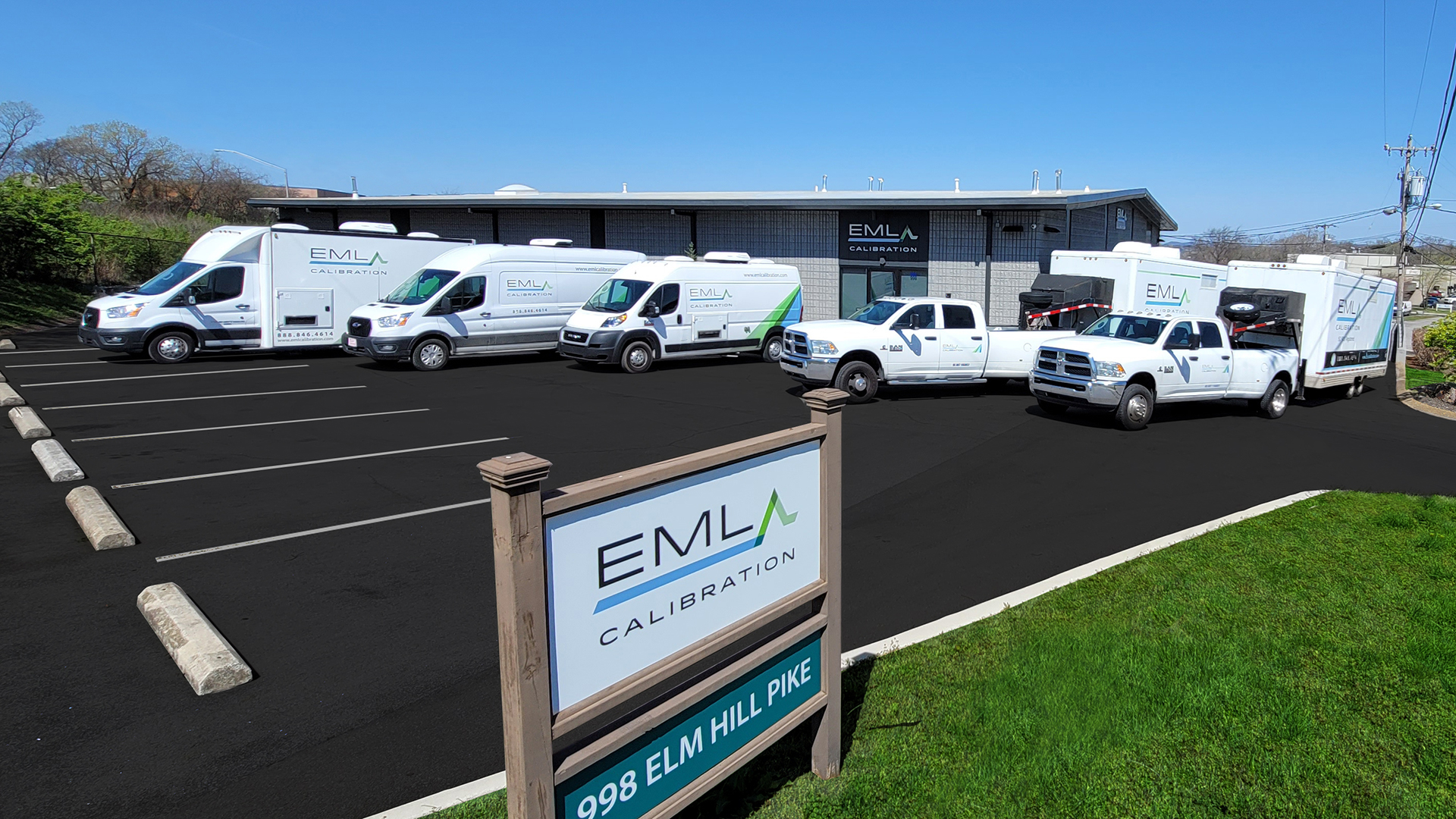
For numerous companies, EML Calibration ticks all these boxes. Their nationwide network of proficient specialists specializes in every little thing from instrument calibration for temperature and stress equipment to nondestructive testing configurations. Connect to them as a resource when your team needs dependable, instant calibration solutions.
Finishing up
Onsite calibration isn't simply a convenience-- it's a calculated property. By keeping your flow meters, hardness testers, torque wrenches, and various other crucial tools in leading form without prolonged delivery cycles, you protect item quality, lower unexpected downtime, and keep compliance with market standards. Think about onsite calibration it as preventative upkeep for your dimension fleet, customized to the actual problems on your shop floor.
Following time a tool wanders out of spec, remember: the solution could be just a service call away.
Name: EML Calibration
Address: 998 Elm Hill Pike, Nashville, TN 37210, United States
Phone: (888) 846-4614
Website: https://www.emlcalibration.com/